
What to pack for Lapland in winter
Three layers, the right boots, and a few small things most visitors forget. Plus a clear picture of what operators lend you, so you don't haul gear you don't need.
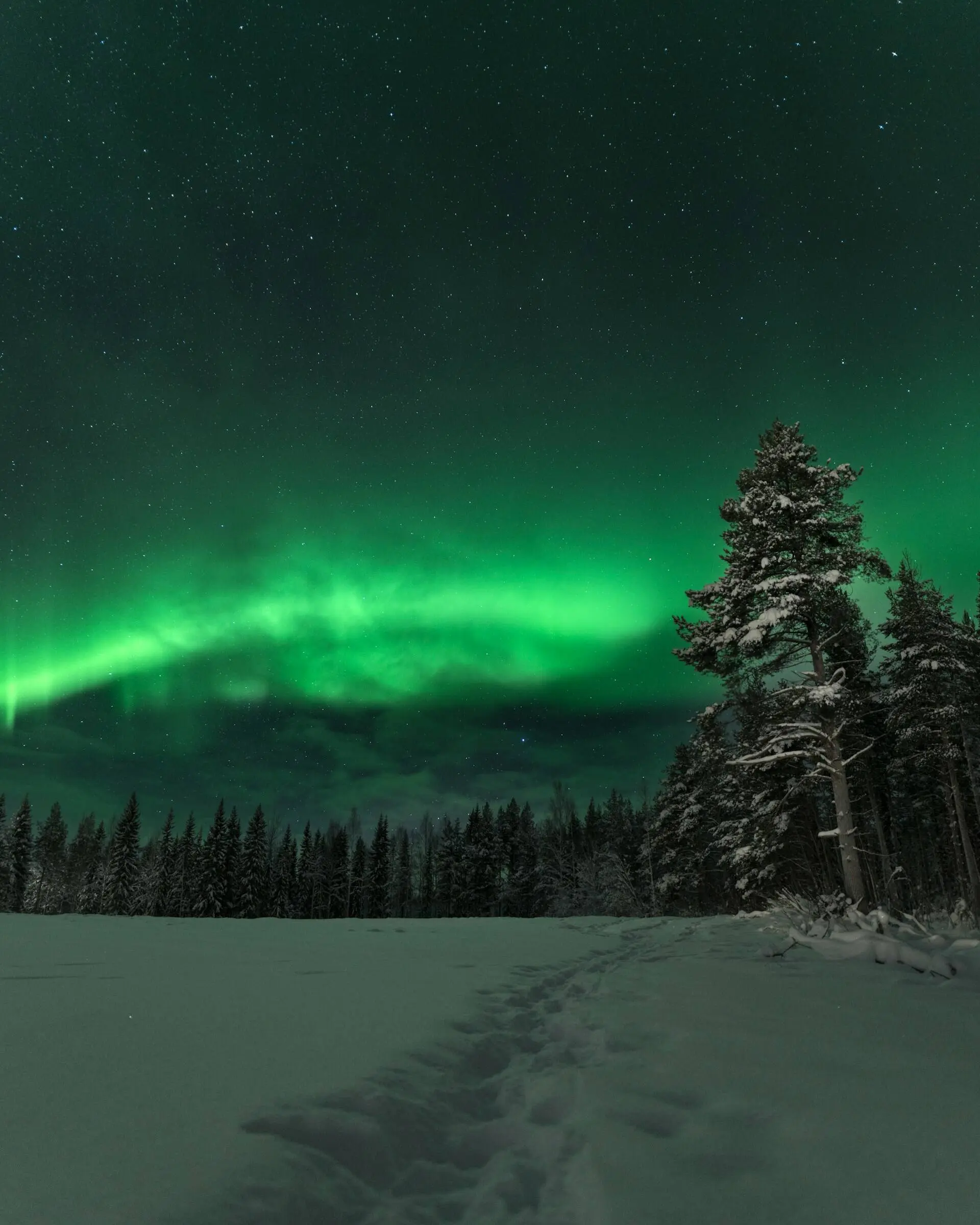
The biggest packing mistake we see is the same one every winter: travellers buy a single very thick coat and assume it's enough. In Lapland it isn't. Temperatures range from a mild −5 °C in early November to under −30 °C in January, and you'll move between heated buildings, sweaty husky-sledding effort and stationary aurora hunting in the space of a single day. The only thing that works across that range is layering — and the good news is operators provide the heaviest layer for outdoor activities, so you can travel lighter than you think.
The 3-layer system
1. Base layer (wicks moisture)
Merino wool long-sleeve top and long johns, worn directly on the skin. Cotton is the enemy here — once it gets damp from sweat it stops insulating and chills you fast. Bring two sets: one to wear, one to dry overnight. Merino doesn't smell, so two is genuinely enough for a week.
2. Mid layer (insulates)
A fleece or light down jacket, plus fleece-lined trousers or a second pair of thicker leggings. This is the layer you'll add and remove depending on activity intensity. A light puffer that packs small is more versatile than a heavy one.
3. Shell (blocks wind and snow)
A waterproof, windproof outer jacket and trousers. For most outdoor activities operators provide a thermal one-piece overall over your own layers, so a heavy shell isn't strictly necessary — a decent ski jacket is plenty. Bring something though, because you'll want it walking around town and on aurora tours where you might stand still for an hour.
What operators provide
Every reputable Lapland operator includes the following with husky, reindeer, snowmobile and aurora tours — you don't need to bring or buy them:
- Thermal overall (a full-body insulated suit, rated to −40 °C)
- Insulated winter boots, usually felt-lined, in your size
- Heavy gloves or mittens
- Balaclava or fleece neck gaiter
- A warm hat, often a flap-eared one
What this means in practice: you don't need to buy expensive Arctic boots or a polar expedition jacket. Your normal ski gear plus the operator-provided overall handles everything down to roughly −30 °C.
What to bring
- Two merino base layer sets (top and bottom)
- Fleece or light down mid layer
- Waterproof outer jacket and trousers — ski gear is fine
- Warm wool socks, several pairs (synthetic blends dry faster)
- Thin glove liners to wear under heavier mittens — lets you handle a phone briefly without bare hands
- Beanie hat (a second hat to swap when one gets damp)
- Lip balm and a thick moisturiser — Arctic air is very dry
- Sunglasses — yes, even in winter; snow glare is real, especially in March
- Reusable water bottle — heated buildings dehydrate you faster than you'd expect
Cameras and electronics
Lithium batteries lose 30–50% of their capacity below −20 °C. Always carry spares in an inside pocket against your body, and swap them in and out. Bring a microfibre cloth — moving a cold camera into a warm room instantly fogs the lens. Phones suddenly dying in the cold is normal; warm them in a pocket and they revive. If you plan to shoot the aurora, see our northern lights photography guide.
Footwear
For walking around town, regular winter boots with good tread work as long as they're waterproof and have room for a thick sock. Town streets are sanded but icy patches are common; consider strap-on ice spikes if you're not steady on your feet. For activities you'll be in operator-provided boots, so don't waste suitcase space on heavy Arctic footwear.
Travelling with kids?
Kids cool down faster than adults and complain about it less. Add an extra mid-layer, bring spare gloves (they always lose one), and keep activity blocks under 2 hours. See our family guide to Lapland for more.
Ready to go?
Once your bag is sorted, browse our winter activities or talk to our team about a tailor-made itinerary built around your dates.