
Northern Lights photography — settings and tips
You don't need a $5,000 setup to photograph the northern lights — but you do need a tripod, manual control and a few small habits that make the difference between blurred green smudges and the shot you came for.
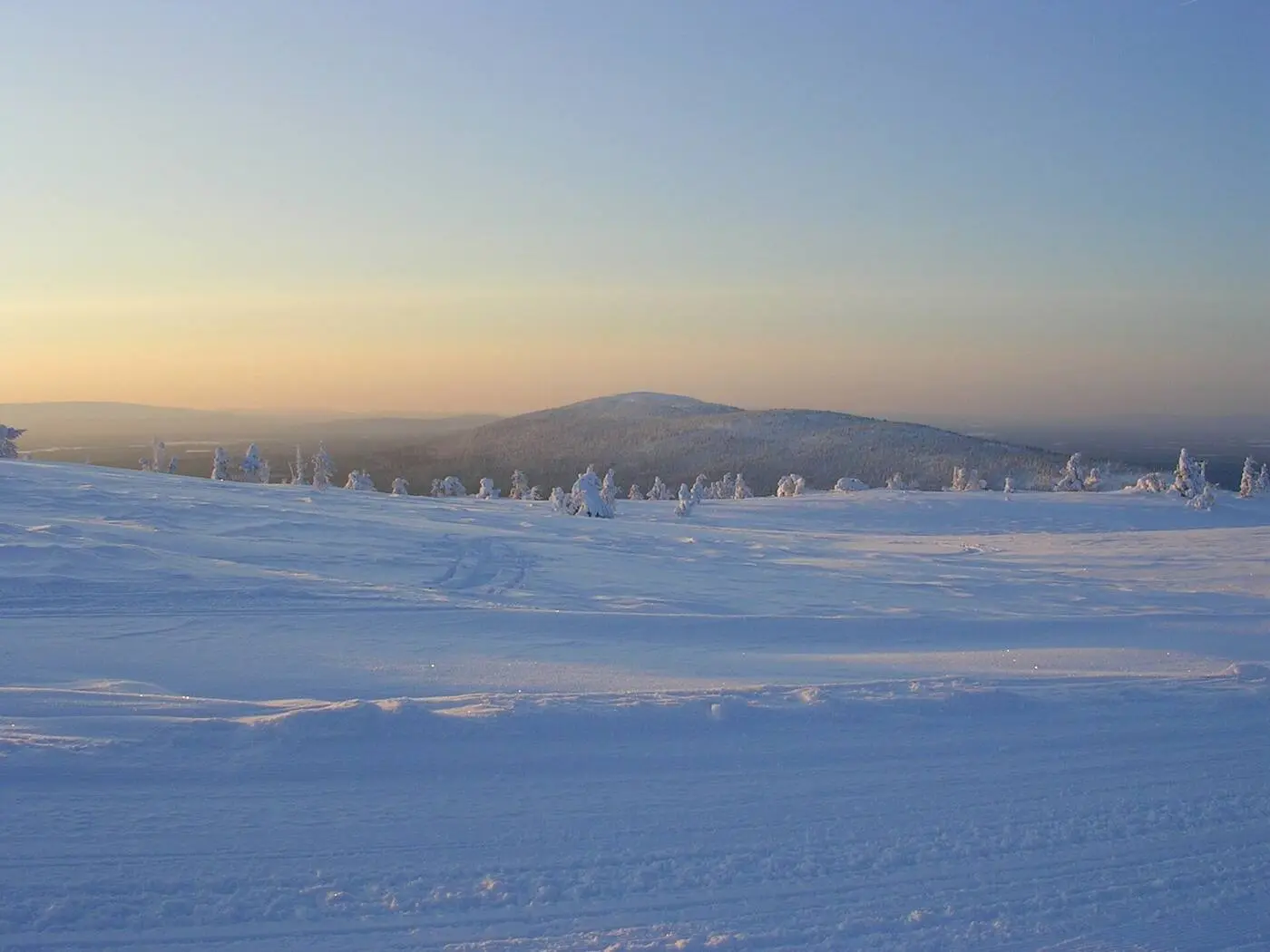
Most modern cameras — and increasingly, modern phones — can capture the aurora well. What stops people getting good shots isn't gear; it's an unfamiliar combination of long exposures, total darkness and very cold hands. This guide gives you the settings that work as a starting point, and the small operational tricks that matter when conditions are working against you.
What you actually need
- A camera with manual mode (mirrorless, DSLR, or a phone with Pro/Manual mode — recent iPhones and Pixels both have one).
- A tripod. Non-negotiable. Even the cheapest travel tripod works. Hand-holding is impossible at the exposures the aurora needs.
- A fast wide-angle lens if you have one. f/2.8 or wider is great; f/4 still works. Focal length 14–24mm full-frame equivalent captures both the lights and a horizon.
- Spare batteries. Cold halves their life — bring three if you'd usually bring one.
- A head torch with a red light mode, so you can change settings without ruining your night vision.
Starting settings
Set the camera to full manual (M). RAW format if your camera offers it. Manual focus, set to infinity (autofocus does not work on a dark sky — focus on a distant light or use Live View, zoom in on a bright star, and adjust until it's a pin-point). Switch off image stabilisation when the camera is on a tripod; it can introduce blur on long exposures.
From there, three settings change with conditions:
- Aperture: as wide as your lens allows. f/2.8 is great, f/4 is fine, f/5.6 starts to need higher ISO and longer exposures.
- Shutter: start at 8 seconds. Faint aurora needs longer (up to 20 seconds); bright, fast-moving displays need shorter (2–4 seconds) or they smear into a green blob.
- ISO: start at ISO 1600. Drop to 800 for very bright displays, push to 3200 for very faint ones. Modern cameras handle ISO 3200 cleanly; older bodies get grainy past 1600.
Phone photography
Recent iPhones (12 Pro and newer) and Pixels (6 and newer) shoot the aurora surprisingly well. The trick is Night Mode plus a tripod — handheld night mode is not enough for moving aurora. With the phone on a tripod (or steadied on a fence post), open the camera, switch to Night Mode, slide the timer up to 10–30 seconds, and tap the shutter. The result won't match a dedicated camera but is genuinely shareable.
Composition
The single biggest improvement most aurora photos need is a foreground. A picture of green sky and nothing else is forgettable. Pictures of green sky over a snowy lake, a lone tree, a log cabin or a frozen river surface are not. Scout your spot before dark if possible. Good Lapland foregrounds:
- Kemijoki river ice in Rovaniemi (the Jätkänkynttilä bridge area)
- The Levi fell viewing terrace looking down across the valley
- Any frozen lake — Lake Inari is famous for a reason
- Snow-covered spruce forest with a path leading the eye in
Cold-weather camera care
- Keep spare batteries in an inside pocket against your body. Swap them when one dies; the cold one revives in your pocket and can be reused.
- Never breathe on the lens. The moisture freezes instantly and ruins the next several shots.
- When you go back inside, leave the camera in a sealed bag or case for at least 30 minutes. Pulling a cold camera into a warm room causes condensation inside the lens that takes hours to clear.
- Use a microfibre cloth to clear any snow flakes — don't wipe with a glove.
- A simple intervalometer or your camera's built-in timer avoids touching the shutter button (which shakes the tripod).
Getting the timing right
Aurora activity is most likely between 9pm and 1am local time, with the peak window roughly 10pm–midnight. Cloud cover matters more than KP index — a KP-3 night under clear sky often beats a KP-6 night under cloud. See our best time to see the northern lights guide for the wider seasonal picture. Apps like My Aurora Forecast and the official FMI service give you a workable short-term outlook.
Where to base for photography
Both Rovaniemi and Levi have excellent dark-sky locations within 20 minutes of the centre. For pure aurora chasing without a car, Levi's fell-top access is hard to beat. Rovaniemi has more frozen-river compositions. Our Rovaniemi vs Levi guide compares them.
Ready to shoot?
Browse our northern lights tours — many include transport to dark-sky locations and a guide who'll help you set up the shot. Or book a private photography tour through our tailor-made service.
Vedrò l'aurora boreale?
La risposta sincera: molto probabilmente sì, se vi concedete più notti — ma nessuno può prometterlo. Ecco le probabilità reali, cosa le determina e cosa facciamo concretamente.
Mese per mese, realisticamente
Probabilità di vedere l'aurora almeno una volta in un soggiorno di tre notti in Lapponia finlandese, sulla base delle condizioni tipiche della stagione. Attività solare e nuvolosità cambiano ogni anno: consideratela una guida alla pianificazione, non una previsione.
| Mese | Probabilità in 3 notti | Ore di buio | Cosa aspettarsi |
|---|---|---|---|
| Settembre | Media · ~50% | ~6 h | Apertura della stagione. Notti miti, riflessi sull'acqua, ancora senza neve. Nuvolosità atlantica frequente. |
| Ottobre | Buona · ~60% | ~9 h | Il buio torna in fretta e l'attività equinoziale aiuta. L'ostacolo principale è il tempo umido e instabile. |
| Novembre | Buona · ~60% | ~13 h | Notti lunghe, prima neve affidabile. Le fasi nuvolose sono comuni ma si aprono spesso. |
| Dicembre | Media · ~55% | ~18 h | Notte polare — buio quasi ininterrotto. È anche il mese più nuvoloso e nevoso della stagione. |
| Gennaio | Buona · ~65% | ~17 h | Notti fredde, secche e anticicloniche: i cieli più limpidi del pieno inverno. Servono strati seri. |
| Febbraio | Ottima · ~70% | ~14 h | Il punto ideale: ancora molto buio, aria più limpida, neve alta, programma completo. |
| Marzo | Ottima · ~70% | ~10 h | Picco dell'attività equinoziale e cieli spesso tersi. Il mese migliore in assoluto per aurora più attività diurne. |
| Inizio aprile | Media · ~45% | ~6 h | Aurora ancora attiva, ma il buio si riduce in fretta. Giornate soleggiate, ottima neve, località più tranquille. |
La stagione a colpo d'occhio
Ogni barra riporta la stessa probabilità su tre notti della tabella qui sopra, per confrontare i mesi in un attimo. Dati indicativi per la pianificazione, non una previsione.
Probabilità di almeno un avvistamento in tre notti
Cosa determina davvero l'avvistamento
Tre fattori, e solo uno riguarda l'aurora in sé. Per questo due persone nello stesso posto la stessa notte vivono viaggi completamente diversi.
L'aurora sta sopra le nuvole. Nella maggior parte delle notti deludenti le luci c'erano e il cielo era semplicemente coperto. La nuvolosità è il fattore numero uno ed è locale: 40 km possono fare la differenza fra coperto e sereno.
L'illuminazione stradale cancella i fenomeni deboli. Dal parcheggio illuminato di un hotel serve uno spettacolo forte; da un lago o una collina buia a 20–30 minuti dal centro si vede a occhio nudo anche un arco tenue.
Una sola notte è un testa o croce ovunque alloggiate. Con tre notti le probabilità girano nettamente a vostro favore: ne basta una che si apra.
Un'aurora debole appare a occhio nudo come una fascia grigio-verde pallida e diventa verde intenso solo in una lunga esposizione. È fisica normale, non uno spettacolo scarso — ed è il motivo per cui le nostre guide fotografano per voi.
Cosa facciamo per massimizzare le probabilità
Il cielo non possiamo cambiarlo, ma quasi tutto il resto di questo elenco è una decisione che qualcuno prende quella notte.
- Le guide controllano previsioni aurorali e nuvolosità per tutta la sera e scelgono il punto di partenza sul momento, non in anticipo.
- I tour sono mobili: se il cielo si chiude al primo punto, guidiamo verso la schiarita più vicina invece di aspettare.
- Ci allontaniamo dalle luci della città verso laghi bui, colline e radure.
- Tuta termica, stivali, guanti e una bevanda calda per restare fuori abbastanza a lungo da cogliere davvero il fenomeno.
- Gruppi piccoli, così il mezzo può spostarsi in fretta quando cambiano le condizioni.
- Partenze in tarda serata, per coprire la finestra 21:00–01:00 in cui l'attività culmina più spesso.
- Le guide fotografano lo spettacolo per voi: anche un'aurora tenue torna a casa come immagine reale.
Usa un'app di allerta aurora durante il soggiorno
Una buona app ti avvisa quando vale la pena uscire — utile nelle notti in cui non hai un tour guidato.
Come funzionano le app di allerta aurora
I satelliti nel punto L1 (DSCOVR e ACE di NASA/NOAA) misurano il vento solare — velocità, densità e direzione del campo magnetico che trasporta — circa 30–60 minuti prima che raggiunga la Terra. Questi dati alimentano l'app.
La Finlandia ha una rete fitta di magnetometri a terra. Quando l'aurora energizza il cielo, il campo magnetico locale inizia a oscillare. Le app pensate per la Finlandia si attivano su questo disturbo locale, molto più affidabile del solo indice Kp globale.
Imposti un livello di sensibilità e l'app ti avvisa quando l'attività lo supera, di solito pochi minuti prima o all'inizio dello spettacolo. Quasi sempre puoi impostare le ore di silenzio.
L'attività è solo metà della storia. Confronta l'allerta con le previsioni delle nuvole: se sopra di te è coperto, spostati verso uno squarcio o aspetta. Le app mostrano previsioni e condizioni attuali proprio per questo.
Un'allerta indica che l'aurora è probabilmente attiva, non che sia visibile da dove ti trovi. Nuvole, luci della città e luna piena possono nasconderla — e un valore basso non esclude una sottotempesta improvvisa.
Se l'aurora non si presenta
L'aurora boreale è un fenomeno naturale. Seguiamo le previsioni e vi portiamo dove le condizioni sembrano migliori, ma nessuno controlla l'attività solare o il meteo — e nessun operatore onesto può garantire un avvistamento. Preferiamo dirvelo prima piuttosto che vendervi una promessa che nessuno può mantenere.
- Sui nostri tour aurora non esiste alcuna garanzia di avvistamento, e non ne rivendicheremo mai una.
- Il tour si svolge come descritto che le luci compaiano o no: il trasferimento, la guida, la località e l'attrezzatura sono ciò che state prenotando.
- Le partenze vengono annullate per motivi di sicurezza, non per una previsione aurorale debole. Se annulliamo noi, il rimborso è totale.
- Pianificate due o tre notti dedicate all'aurora invece di una. È la singola mossa più efficace.